


Food in Essaouira: where to eat and what you must try
By Mogador Conciergerie · 19 August 2025 · 17 min read
Essaouira, the former Mogador, offers more than sunsets over the Atlantic and limewashed alleys swept by the trade winds. The town breathes a bohemian charm made of Gnaoua rhythms, art galleries and fishermen returning to port every morning. But Essaouira is not only something to look at: it is also something to taste.
Behind its UNESCO-listed ramparts, the town reveals a generous table, where grilled fish is served on the port, couscous comes with local maize and argan oil becomes a true liquid gold.
Beyond the medina and the windswept beaches, Souiri cooking wins people over with its authenticity and creativity. From modest local eateries to refined tables that reinvent tradition, every meal becomes a journey.
In the pages that follow, you will discover Essaouira’s essential restaurants, the typical dishes you should taste at least once and the culinary experiences that are the pride of this port town.
Food in Essaouira: a culinary heritage between sea and tradition
The influence of the sea on the plate
Sardines and grilled fish everywhere
In Essaouira, fish is not a product, it is a promise. Every morning the port comes alive with blue boats, the cries of gulls and fishermen bringing the Atlantic’s treasures ashore.
Top of the list is the sardine, the true local star. Whether grilled over embers on a makeshift plancha or cooked into fragrant fishballs, it embodies the generosity of Souiri cuisine. Morocco is the world’s leading exporter of sardines, and Essaouira is one of its living capitals.
You cannot miss the smoking stalls facing the ocean. For a few dirhams, you can eat fish straight out of the water, with crusty bread and a squeeze of lemon. It is simple, unadorned and full of flavour.
Seafood and fishermen’s cooking
Fried squid, marinated prawns, sea urchins eaten with a spoon… Essaouira offers a variety of seafood rarely matched on the Moroccan coast. Here, recipes need no frills. Freshness does it all. In some riads and seafront restaurants, the dishes are directly inspired by fishermen’s cooking: octopus tagines, fish soups, cuttlefish skewers. It is not haute cuisine but a way of life: cooking what the sea provides, honestly.
Moroccan and Berber roots
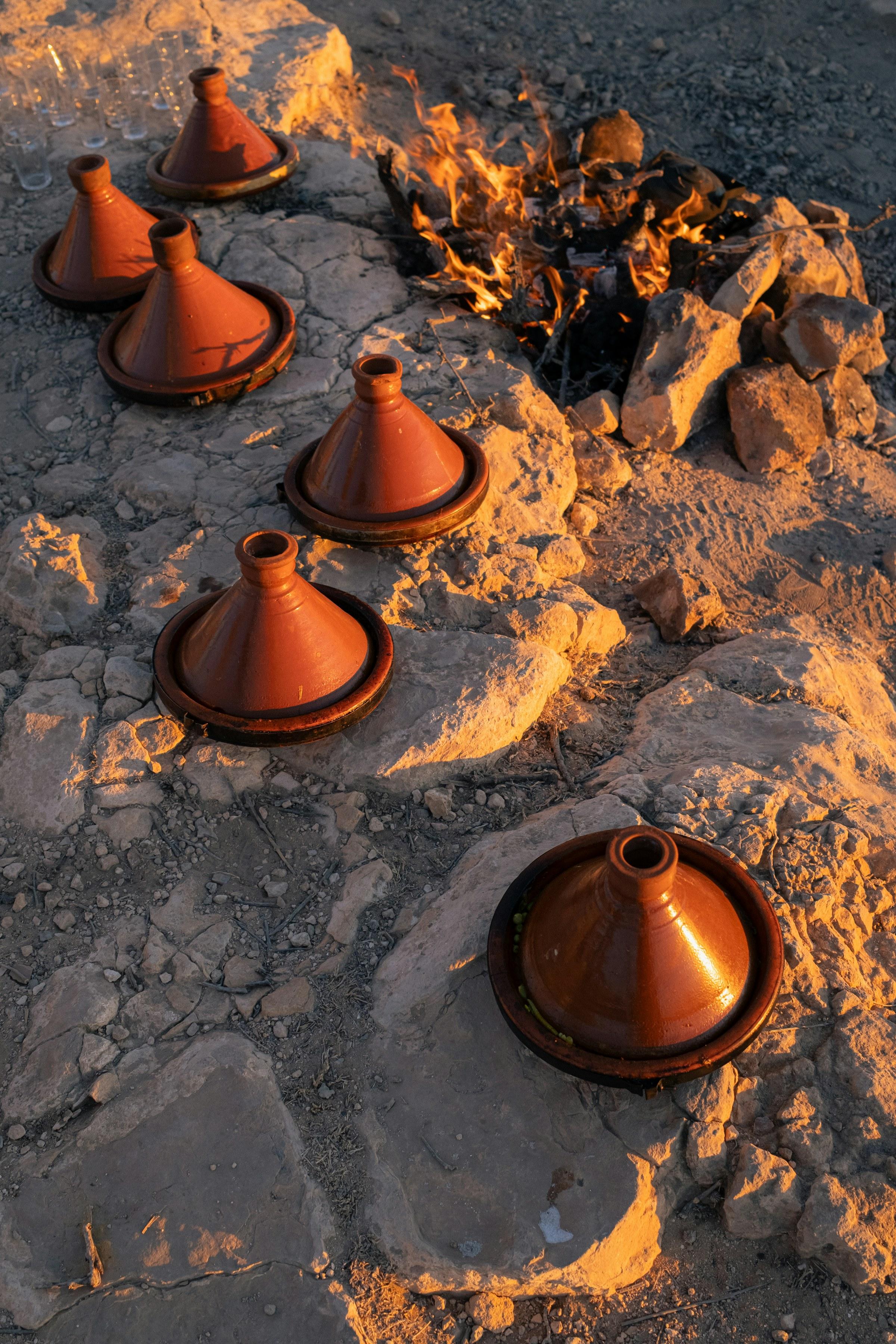
Traditional tagines of the region
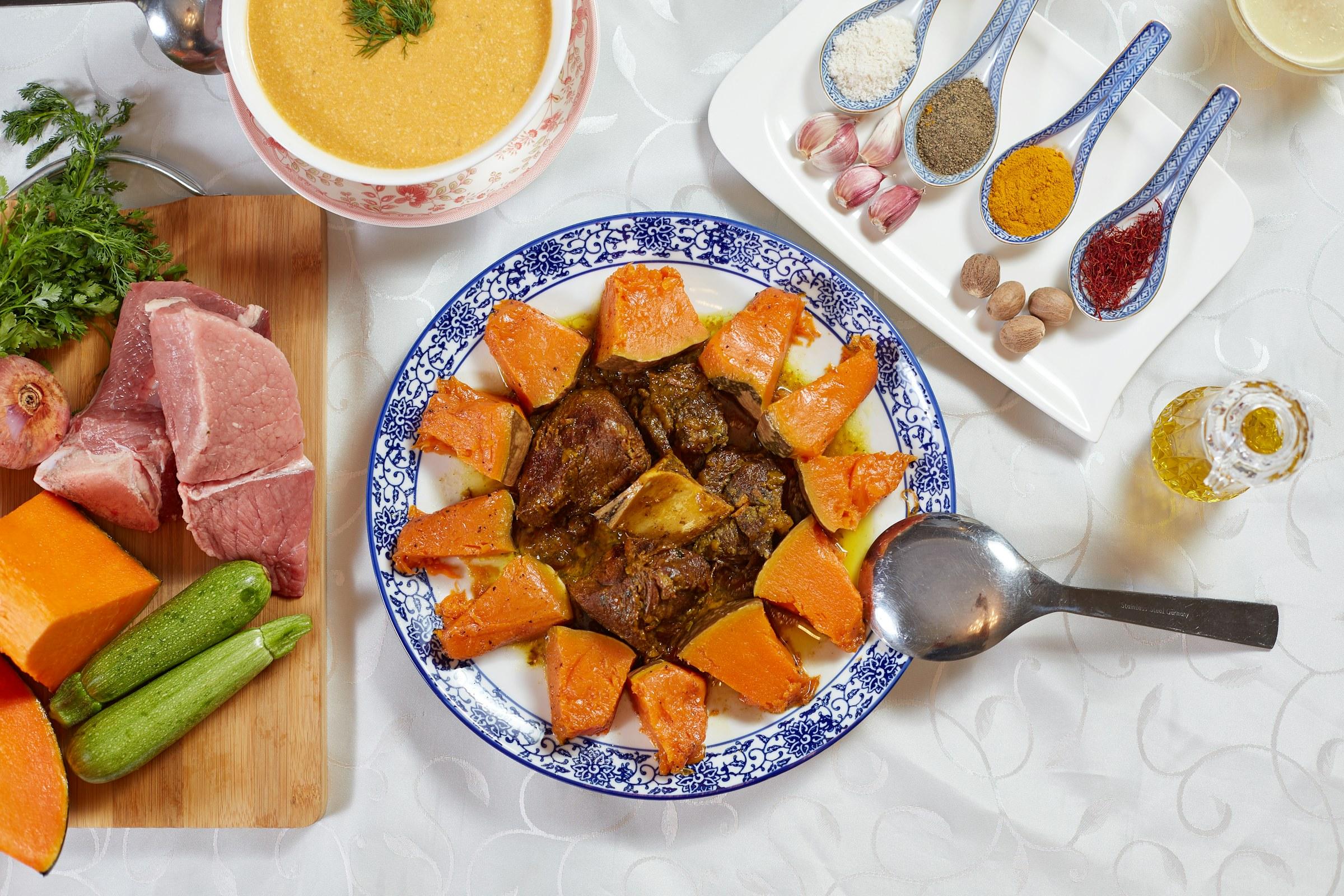
If the sea shapes the plate, the land is not far behind. Tagines, the emblem of Moroccan cooking, come here in local versions: chicken with preserved lemons, lamb with prunes, or vegetable tagine with produce from the market.
In Essaouira, slow cooking over charcoal gives that unique melting texture. The dish is not just a meal, it is a moment: you open it slowly, breathe in the spices and share it.
Souiri couscous and Baddaz (maize couscous)
Friday is couscous day. But in Essaouira, you will sometimes be offered a surprising version: Baddaz, a couscous made from maize semolina, more rustic, with soft, earthy notes.
This old dish is making a strong comeback, driven by a local wish to preserve the region’s culinary traditions. Less well known than wheat couscous, Baddaz is a real discovery, often served with fish, steamed vegetables and a touch of argan oil.
Argan oil, the culinary gold of the Souss and Essaouira
Culinary uses (sauces, seasonings)
The argan tree is the emblematic tree of the region. Its precious oil is used in cosmetics as well as in cooking. Culinary argan oil, pressed from roasted kernels, has a slightly smoky, nutty flavour.
In Essaouira, it lifts salads, dresses vegetarian dishes or is mixed with honey and almonds to make amlou, a 100% local spread.
How it differs from olive oil
Unlike olive oil, argan oil is not heated. It is used cold, as a finishing touch. It is an oil for emotion, not for cooking. It stands out for its nutritional profile, rich in unsaturated fatty acids and vitamin E. Its price, around 250 to 400 dirhams a litre (≈ €25–40), reflects how scarce its production is: it takes nearly 30 kg of fruit to produce a single litre.
Local specialities you must taste
Essaouira’s signature dishes
Souiri tagine (a unique gratinéed tagine)
The Souiri tagine, or ‘mkaddem’ tagine, is a variation found only in the region. Once the dish has simmered, it is briefly browned in the oven, which creates a light crust on top.
The result? An irresistible combination of melting and crisp. This dish is often eaten in people’s homes or in a few discreet restaurants that still master the technique. It is the kind of discovery that gives Essaouira its unique character.
Sardine tagine and sardine balls
Another must: sardine balls in sauce, sometimes called dolma. Mixed with coriander, cumin, garlic and a hint of lemon, they simmer in a lightly spiced tomato sauce.
This popular dish is as common in family homes as on the tables of small restaurants. It is a concentrate of sea freshness and herbs.
Fish couscous
This being Essaouira, even couscous takes its cue from the ocean. Forget the lamb: here it comes with white fish or hake, steamed with the vegetables, and is often served with a red sauce infused with turmeric. The whole thing is finished with a drizzle of argan oil. A dish that embodies the balance between land and sea.
Sweets and desserts
Gazelle horns and Moroccan pastries
Gazelle horns, filled with almond paste scented with orange blossom, are as much a part of Essaouira as the wind in its alleys.
You will find them in every pastry shop, but the best are still those made by hand in small artisan bakeries. Alongside them are ghriba, makrout and other sweets made with semolina, dates and honey.
Amlou (almonds, honey and argan oil)
Amlou is a bit like the local Nutella, only much healthier. This golden-brown paste is a blend of roasted almonds, pure honey and argan oil. It is eaten at breakfast on warm bread, but also by the spoonful by those with a sweet tooth. It is a signature speciality of the Haha country, the tribal region around Essaouira.
Msemen and baghrir pancakes
Early in the morning or late in the afternoon, it is hard to resist a well-buttered msemen or a baghrir, the ‘thousand-hole’ pancake that soaks up honey like a sponge. These simple treats, served with mint tea, are part of the traditional Moroccan welcome. In Essaouira, you can buy them from stalls in the souks or enjoy them on terraces in the shade of bougainvillea.
Drinks not to miss
Moroccan mint tea
Green tea with mint, the symbol of Moroccan hospitality, is served piping hot and sweet. In Essaouira, it accompanies meals, conversations and sunsets. It is not unusual for families to make it several times a day. The ritual of serving it, pouring from high above the glass, is an art in itself.
Fresh orange juice and local drinks
Finally, nothing is more refreshing than a freshly squeezed orange juice on a square in the medina, for a few dirhams. Street vendors also sell carrot, pomegranate or beetroot juice. And there are the local herbal infusions, such as verbena or thyme, perfect for ending a meal on a light note.
Where to eat in Essaouira: the essential restaurants
Essaouira is also a table. An unpretentious one, but full of generosity. A table that speaks Berber as fluently as fish, tagine as fluently as pizza. Whether you love street food or fine dining, you will find somewhere to your taste. Here is a 100% Essaouira selection, tried and approved by people who know the town from the inside.
Traditional, popular restaurants
Chez Rachid, Khmissa, Chez les Frères: local atmosphere and dishes of the day
In the quiet alleys of the medina, three names come up again and again among those in the know: Chez Rachid, Khmissa and Chez les Frères. No menus as long as a windless day here, just dishes of the day cooked with heart. Allow 30 to 50 dirhams (€3 to €5) for a good tagine, a fresh juice and a smile thrown in.
At Rachid, the kefta in tomato sauce is a safe bet. At Khmissa, you are served a steaming couscous with home-made bread still warm from the oven. Chez les Frères is simplicity itself: one dish, a salad, a tea. And the feeling of having been invited into someone’s home.
The port’s fish stalls: sardines grilled to order
You will smell them before you see them. The port’s grill stalls, lined up opposite the fishing nets, are part of Essaouira’s food landscape. Here you choose your fish straight from the stall. Sardines, sea bream, red mullet, prawns… it all depends on the day’s catch.
Allow 20 to 60 dirhams depending on the fish and how it is cooked. Everything is grilled to order and served with a simple tomato salad and bread. No fuss. Just the essentials: the sea on your plate, sea spray in the air and the boats in the background.
Fine dining and upscale restaurants
La Table by Madada: refined seafood cooking
Set in a former carob warehouse, La Table by Madada offers an intimate setting and elegant cooking. The produce is local, but the technique is refined. Bluefin tuna carpaccio, spiny lobster tagine, chocolate fondant with an amlou centre… here every dish tells the story of Essaouira with silver cutlery.
The set menu starts at around 300 dirhams (≈ €27), which makes it an accessible high-end address. Ideal for a romantic dinner or a celebration.
L’Heure Bleue Palais: elegance and Moroccan fine dining
In this Relais & Châteaux riad, the restaurant at L’Heure Bleue Palais combines tradition and prestige. The chef reinterprets Moroccan classics with a contemporary touch: stuffed pigeon, saffron and prawn risotto, or a reworked lamb tagine.
People come as much for the experience as for the food: white tablecloths, live musicians and a rooftop overlooking the whole medina. Dinner here starts at around 450 dirhams (≈ €40), but it is an experience you will remember.
Zahra’s Grill: fish and an unbeatable view
A stone’s throw from the beach, Zahra’s Grill serves generous, simple, flavourful seafood. The welcome is warm and the menu varied. Prawns, grouper, sardines, fish skewers: everything here is grilled with precision.
What makes the difference is the terrace with a panoramic view over the bay of Essaouira. Ideal at sunset, with a glass of fresh juice or a piping-hot tea.
Fashionable and international restaurants
Océan Vagabond and Beach & Friends: a relaxed surf vibe
To eat with your feet in the sand, head for Océan Vagabond or Beach & Friends, two seafront institutions. The menu blends Moroccan and international influences: marinated chicken burgers, feta salads, veggie wraps and reworked tagines.
The crowd is young, the atmosphere laid-back and the prices reasonable (dishes between 70 and 120 dirhams). It is the ideal spot after a surf session or to stretch out the afternoon to music.
Silvestro’s: generous Italian pizzas
Need a Mediterranean break? For more than 15 years, Silvestro’s has been serving wood-fired pizzas, home-made lasagne and pasta cooked al dente. The welcome is straightforward, the service quick and the dough always crisp.
A full meal comes to around 100 dirhams (≈ €9). It is a safe bet for families and for travellers in search of comfort food.
Ruly’s Ramen Shop: a Japanese touch in the medina
This is Essaouira’s most unexpected address: Ruly’s Ramen Shop, a small bistro tucked away in the medina, serves ramen worthy of a Tokyo izakaya. Home-made broths, marinated soft-boiled eggs, fish of the day as a topping… everything is prepared on site, with rigour.
The setting is minimalist, the clientele loyal and the bill comes to around 90 to 110 dirhams. An experience for the curious palate.
Experiencing Essaouira’s food differently
Food is not just about what you eat, but how you discover it. In Essaouira, there are a thousand ways to taste the town without necessarily booking a table.
Markets and food souks
The port fish market
A stone’s throw from the Scala, the fish market is an experience in itself. Noisy, lively and pungent, it is where restaurateurs buy their supplies. You can buy your fish at the stall, then have it grilled on the spot at one of the small stands next door. It doesn’t get more local than that.
Souks of the medina (spices, dried fruit, pastries)
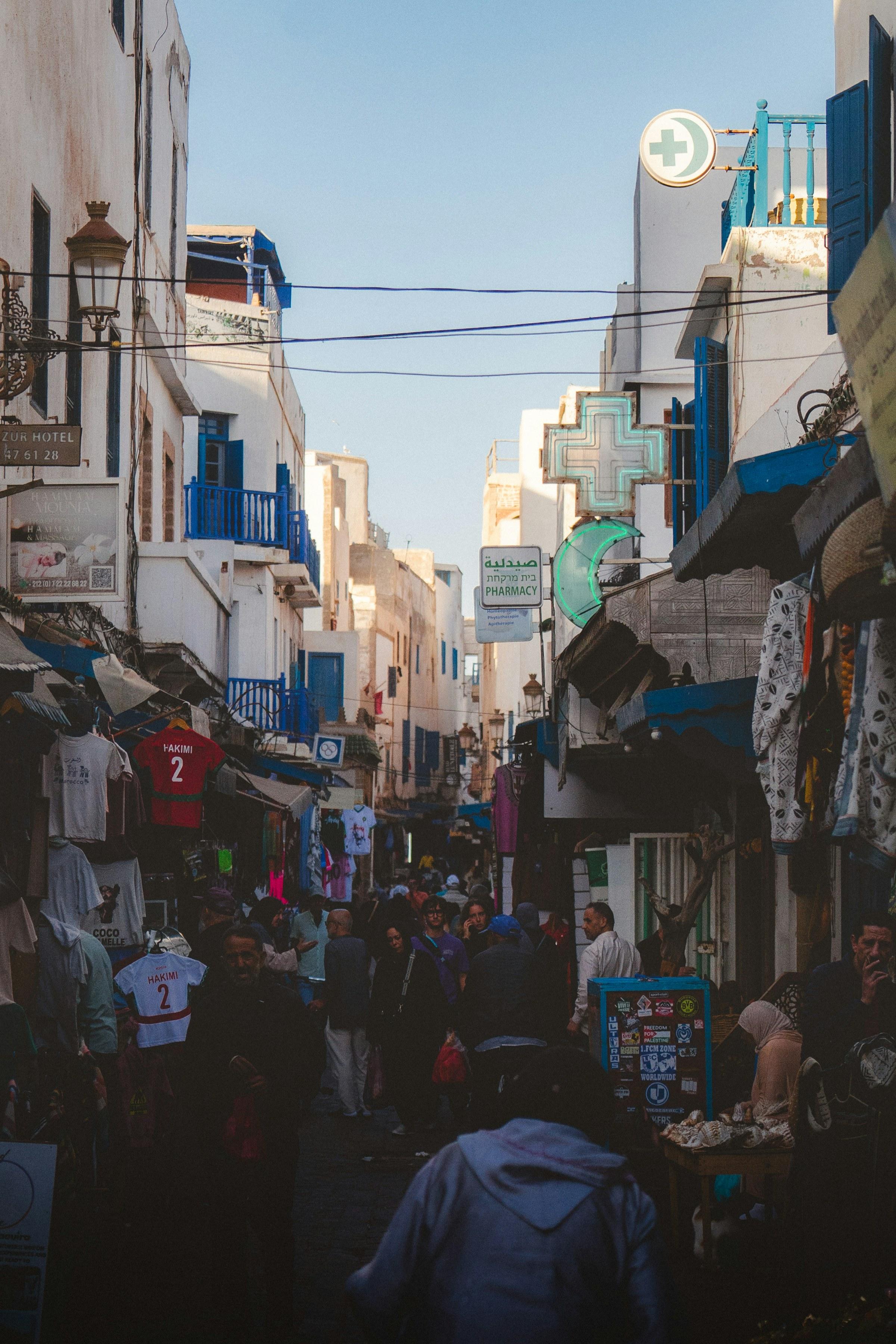
In the medina, the souks are full of pyramids of spices, carefully arranged dried fruit and artisan pastries. It is a parade of colours and aromas: saffron, cinnamon, turmeric, ginger… These markets are also a chance to discover the ingredients behind every Moroccan dish.
Cooking classes and immersive experiences
Cooking workshops at L’Heure Bleue or in local homes
For those who want to roll up their sleeves, several workshops are on offer in Essaouira. At L’Heure Bleue Palais, classes teach you to prepare a tagine or pastillas by the book. In local homes, more intimate formats welcome you for a complete immersion in Souiri cooking.
Learning the secrets of tagine and couscous
Did you know that a good couscous takes more than two hours to prepare? Or that a successful tagine depends as much on the cooking as on the spices? These workshops teach you the right techniques, help you understand the blends and send you home with much more than a recipe: a culture.
Street food and quick treats
Spicy sardine sandwiches
Quick, cheap, local. The spicy sardine sandwich is a great classic of Essaouira’s streets. Served in warm khobz bread with salad, harissa and chips, it will keep you going all day. You will find it for around 15–20 dirhams at the small stalls in the medina.
Skewers and msemen on lively squares
In the evening, Essaouira’s squares come alive. Stalls set up, grills crackle, and passers-by stop for a kefta skewer, a buttered msemen or a warm flatbread rolled into a sandwich. This is the popular side of the town’s food, the kind that delights your taste buds for a few coins.
Practical tips for eating well in Essaouira
Budget and price ranges
Where to eat cheaply like a local
Eating in Essaouira does not have to mean a hefty bill. On the contrary, the town is full of places where you can eat well for less than 50 dirhams (about €4.50).
In the medina, small family canteens serve generous dishes of the day: tagines, couscous, harira or Berber omelette. The stalls near the port serve fish grilled to order, often with warm bread and a Moroccan salad.
A tip: look for the places frequented by craftsmen, taxi drivers and shopkeepers. Where the Souiris eat, you will eat well.
Mid-range and fine dining options
For a more polished meal without breaking the bank, allow 100 to 200 dirhams (€9 to €18). That gets you restaurants with a view, carefully prepared dishes and sometimes even a wine list. La Table by Madada and Zahra’s Grill are perfect examples: refined food in a relaxed atmosphere.
Upscale establishments such as L’Heure Bleue Palais offer tasting menus at 350–500 dirhams. Here you enter another dimension: an exceptional setting, attentive service and a creative menu. A meal like this can be the high point of a stay in Essaouira.
When and where to eat?
Moroccan mealtimes (tagines at lunch and dinner)
In Essaouira, life follows the sun and meals take their time. Lunch is generally eaten between 1pm and 3pm, especially for slow-cooked dishes such as tagine or couscous. Dinner, lighter, is eaten between 7.30pm and 10pm, often with more varied options: grilled fish, soups, savoury pancakes or street food.
Note: some places close after lunch, especially in the medina. Remember to check opening hours, particularly in low season.
Sunsets by the sea
For an experience to remember, have dinner facing the ocean at sunset. Restaurants such as Océan Vagabond and Beach & Friends have superb views of the beach. Order a grilled fish and a fresh juice, and let the sun sink into the Atlantic: it is a show that costs nothing… but is worth everything.
Tips for a successful experience
Dare to eat off the beaten track
The best meal is not always the one with the most online reviews. In Essaouira, daring to stray from the tourist trail often brings pleasant surprises. A small restaurant with no sign, a guesthouse that serves dinner on request, or a local selling msemen on their doorstep: it is all worth exploring.
Favour seasonal produce
Essaouira lives to the rhythm of its markets. To enjoy the best flavours, eat local and seasonal. In summer, go for fresh salads, sardines, figs or melons. In winter, it is the turn of soups, root vegetables, citrus fruit and well-spiced tagines.
Check that the fish is fresh
You can tell a good fish with the naked eye. It should have a clear eye, a neutral smell and firm flesh. If you are buying at the market or at a grill stall, do not hesitate to ask questions or look over the stalls. Freshness is the norm in Essaouira, but it is always better to check.
Food in Essaouira: a culinary journey in its own right
A unique identity between Morocco, Africa and the ocean
Essaouira is a crossroads. It blends Berber, African, Andalusian, Jewish and European influences in a single dish. This richness shows in the diversity of ingredients, cooking methods and flavour combinations. It is this subtle blend that makes Souiri cooking so distinctive.
You will find a sardine tagine with cumin in an alley and a saffron langoustine bisque in an old riad. That is the whole art of balancing popular simplicity and quiet elegance that defines the town.
Why Essaouira appeals to food lovers from around the world
More and more foreign chefs are settling in Essaouira, drawn by the quality of the local produce and the town’s inspiring atmosphere. According to Le Monde, the town has even become a new haunt for discreet foodies, far from the spotlight of Marrakech.
Fish arrives at the port every morning, vegetables come from the surrounding countryside, and spices are measured out with heart. It is a cuisine that goes straight to the essentials, authentic, without make-up, yet full of finesse.
Food as memory and a way of life
Here, people do not eat merely to feed themselves. They eat to tell stories. Every dish carries a story: that of a fisherman, a grandmother, a market, a ritual. Cooking is a living memory, passed on by hand rather than in writing.
In Essaouira, eating also means slowing down, sharing and settling into a rhythm. The tea takes its time. The tagine simmers. And meals become memories.
Essaouira is not content with being beautiful
It is also delicious. In this town of soft colours and salty sea air, food is not a sideline: it is an integral part of the experience. From breakfast on a sunlit terrace to a shared grill facing the port, every moment can become a highlight.
People come to Essaouira to relax. They stay for the taste. For the generosity of its dishes, the warmth of its cooks, the authenticity of its produce. Souiri tagines, maize couscous, grilled sardines, argan oil… these are not just foods, they are landmarks.
Food in Essaouira: what you really need to know
What are the best traditional dishes to try in Essaouira?
Souiri tagine, grilled sardines, fish couscous and amlou are the essentials of local cooking.
Where can you eat cheaply in Essaouira without sacrificing quality?
In the medina or near the port, small local canteens and grill stalls serve tasty dishes for less than 50 dirhams.
What are the best fine dining restaurants in Essaouira?
L’Heure Bleue Palais, La Table by Madada and Zahra’s Grill are known for their refined cooking and exceptional settings.
When should you eat a tagine in Essaouira?
Tagine is generally served at lunch or dinner, but it is best at lunchtime, when it has been simmering slowly all morning.
How can you tell fresh fish at the market or in a restaurant?
Fresh fish has a clear eye, shiny skin, firm flesh and a neutral smell, never one of ammonia.
Our new addresses, before anyone else
One letter a month: newly opened villas, seasonal stays, good tables. Nothing more.